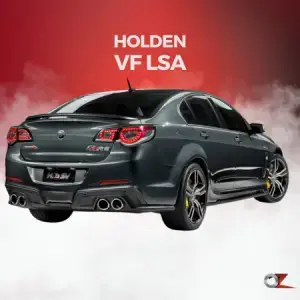
LS3 Fuel Injector Problems, Testing and Upgrades
A failing fuel injector can cause an LS3 to misfire, idle roughly, lose power or run dangerously lean on one cylinder. At Oztrack, we regularly find factory LS3 injectors with internal electrical faults, abnormal resistance or inconsistent fuel delivery.
We diagnose injector problems and supply KPM 1000cc, 1500cc and 1700cc fuel injectors for standard replacement, modified, cammed, supercharged and high-horsepower applications.
View KPM 1000cc InjectorsCommon LS3 Fuel Injector Problems
LS3 injectors can fail mechanically or electrically. Some become restricted or deliver an uneven spray pattern. Others develop problems inside the injector coil.
One fault we find is an injector with much higher electrical resistance than the other seven injectors. The injector may still operate at times, but it can open slowly, work intermittently or stop delivering the expected amount of fuel.
Signs of a Failing LS3 Injector
Misfire on One Cylinder
The engine may record a cylinder-specific misfire code such as P0301 to P0308. The misfire may appear at idle, under load or once the injector becomes hot.
Rough or Uneven Idle
Uneven fuel delivery can make the engine shake or cause the idle speed to move around. Cammed engines can make this harder to recognise without scan data.
Lean Cylinder Under Load
A weak or restricted injector may not supply enough fuel when engine load rises. This can increase combustion temperature and the risk of detonation.
Fuel Smell or Hard Starting
An injector that leaks after shutdown can allow fuel into a cylinder. This may cause difficult starting, excessive fuel smell or a rich start-up condition.
Loss of Power
The engine may feel flat or hesitate during acceleration. Injector faults often become clearer when fuel demand increases.
Uneven Spark Plug Colour
A spark plug that looks different from the other seven can help identify a cylinder receiving too much or too little fuel.
How We Check LS Fuel Injectors
A misfire code does not automatically prove that the injector has failed. Ignition coils, spark plugs, wiring, compression, air leaks and mechanical faults can produce similar symptoms.
Scan the ECU
We check misfire data, fuel trims, oxygen-sensor information and recorded fault codes to identify the affected cylinder and operating conditions.
Compare Injector Resistance
We measure all eight injectors under the same conditions. The comparison across the set is useful because injector resistance changes with temperature and can vary between injector types.
Check Wiring and Injector Control
Damaged connectors, wiring faults and ECU driver problems can prevent a good injector from operating correctly.
Check Fuel Delivery
Fuel pressure, pump flow and injector performance must all support the engine’s fuel demand, especially on cammed or supercharged combinations.
Confirm the Repair
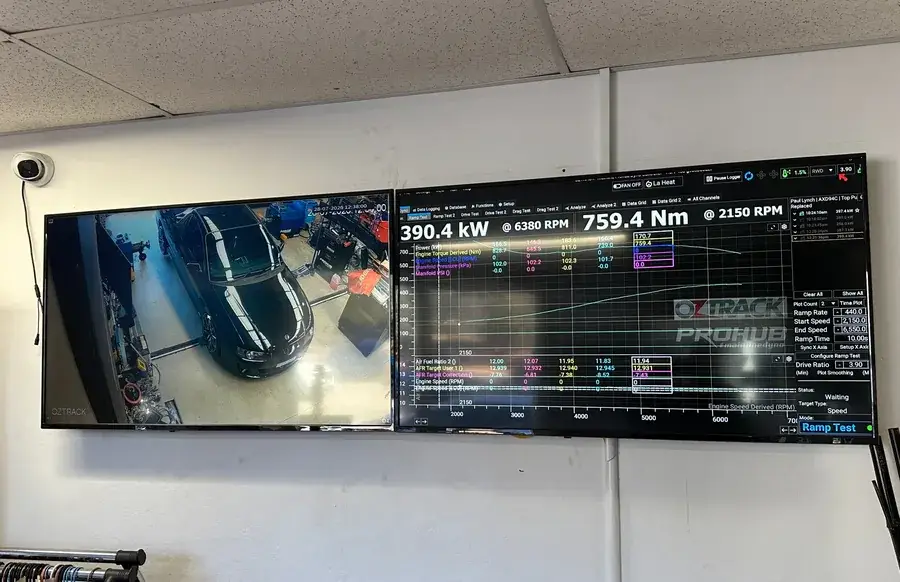
After replacement, the engine should be checked under the conditions that caused the fault. Modified engines may also require injector calibration and Mainline ProHub dyno tuning.
Dirty Injector or Electrical Failure?
Dirty or Restricted Injector
- Reduced fuel flow
- Poor spray pattern
- Uneven cylinder fuelling
- May improve after professional cleaning and flow testing
Electrical Injector Failure
- High, unstable or open-circuit resistance
- Intermittent operation when hot
- Injector does not respond correctly to ECU commands
- Injector cleaner cannot repair the internal coil
Why Choose KPM Fuel Injectors?
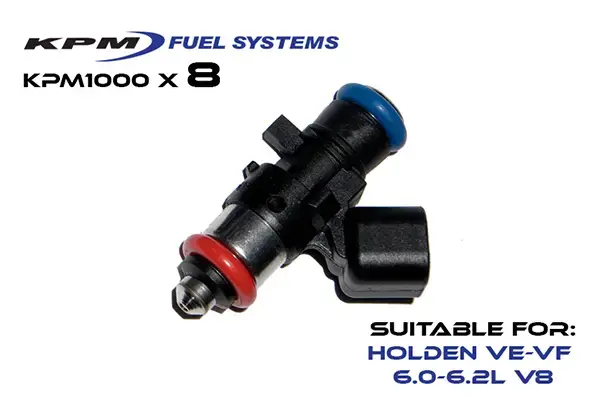
KPM develops fuel injectors for standard replacement, modified street cars and high-horsepower engines. Each injector is serialised and individually characterised.
- Complete machined injector sets
- Individually identified and characterised injectors
- Flow tested before supply
- Injector scaling data supplied for ECU calibration
- Several body lengths available for different fuel rails
- Options for mildly modified through to high-horsepower engines
Correct injector data allows the tuner to calibrate fuel delivery more accurately across starting, idle, cruising, acceleration and high-load operation.
View KPM Injector Set Ask About FitmentKPM 1000cc, 1500cc and 1700cc Injector Options
Injector size should be selected around the engine combination, fuel type, fuel pressure, power target and expected injector duty cycle. The cc rating alone does not provide a reliable horsepower limit.
KPM 1000cc
A common choice for modified LS engines, cam upgrades and many supercharged combinations where the factory injectors have reached their safe operating limit.
- Long, standard and compact body options listed by KPM
- Suitable for a broad range of modified vehicles
- Flow-tested set with scaling data
- Available from Oztrack in LS applications
KPM 1500cc
Intended for engines with greater fuel demand, including high-output boosted combinations and fuels that require more volume.
- Complete machined and flow-tested sets
- Scaling data supplied for tuning
- Electrical adapters may be required
- Fitment should be confirmed before ordering
KPM 1700cc
Designed for heavily modified and high-horsepower engines that require more injector capacity than the 1000cc or 1500cc options provide.
- Individually characterised injectors
- Complete flow-tested sets
- Scaling information supplied
- Exact application and hardware must be confirmed
KPM Fuel Injector Applications
KPM produces injector options for Australian performance vehicles and a range of imported performance platforms. Product availability, body length, connectors and required adapters vary between applications.
Holden and HSV
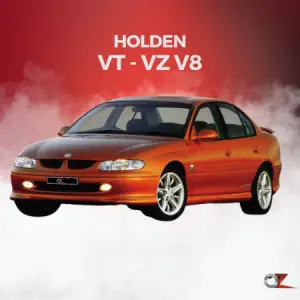
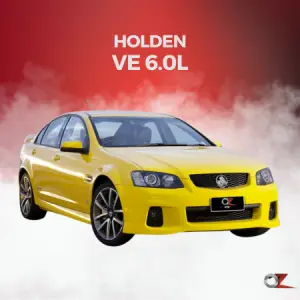
VT–VZ LS1 and LS2, VE–VF Commodore V8, LS3 and supported HSV applications.
Ford
Ford Falcon and Mustang applications, including supported naturally aspirated and boosted combinations.
Nissan
350Z, 370Z, R35 GT-R and Skyline engines including RB20DET, RB25DET and RB26DETT applications.
Mitsubishi
Mitsubishi EVO III–IX and EVO X performance applications.
Subaru and Toyota
Subaru WRX, STI and BRZ, plus supported Toyota 86 applications.
Other Applications
KPM also lists selectors for Chevrolet, Jeep and universal applications. Contact Oztrack so we can confirm the correct injector and required hardware.
Injector Body Length and Fitment
Injector flow rate is only one part of selecting the correct injector. The injector must also match the physical fuel rail, intake manifold, electrical connector and fuel-system layout.
Long Injectors
Commonly used with LS1 and LS2 applications where the fuel rail and manifold require the longer injector body. Some installations need specific adapters.
Standard and Compact Injectors
Used in applications including later 6.0L, LS3 and LSA combinations. The correct length depends on the intake manifold and fuel rail being used.
When Does an LS3 Need Larger Injectors?
A standard or lightly modified LS3 may not need 1000cc injectors. Injector demand increases as engine airflow, boost and power rise.
Larger injectors may be needed when the engine has:
- A supercharger or turbocharger
- A camshaft upgrade and supporting airflow modifications
- Higher boost pressure
- Increased engine capacity
- A fuel type that requires greater fuel volume
- Standard injectors operating near their safe duty-cycle limit
Fuel Injector FAQs
Do LS3 fuel injectors commonly fail?
Oztrack regularly diagnoses factory LS3 injectors with uneven fuel delivery or internal electrical faults. High resistance compared with the other injectors in the set is one sign of a possible coil problem.
Can high injector resistance cause a misfire?
Yes. Abnormal resistance can reduce or interrupt the electrical current through the injector coil. The injector may open slowly, operate intermittently or fail to open.
Will injector cleaner fix high resistance?
No. Cleaner may help with some deposits or restrictions, but it cannot repair an internal electrical fault in the injector coil.
What KPM injector sizes are available?
KPM offers 1000cc, 1500cc and 1700cc performance injector ranges. The correct size depends on the engine, fuel, boost, fuel pressure, power target and fuel-system capacity.
Are KPM injectors flow tested?
KPM states that its injector sets are machined, flow tested, serialised and individually characterised. Scaling data is supplied for ECU calibration.
Will 1000cc injectors make more power?
Not by themselves. They allow the fuel system to support more power when the standard injectors no longer have enough flow capacity.
Does the ECU need to be tuned for larger injectors?
Yes. The ECU needs the correct injector flow and operating data. Oztrack can supply suitable KPM injectors and calibrate them during dyno tuning.
Can a faulty injector damage an LS3?
A weak injector can make one cylinder run lean under load. Continued driving may increase the risk of detonation, excessive cylinder temperature, piston damage or other engine problems.
Need Fuel Injector Testing or a KPM Upgrade?
Oztrack can diagnose LS injector faults, help select KPM 1000cc, 1500cc or 1700cc injectors and tune supported vehicles on our Mainline ProHub dyno in Penrith, NSW.
View KPM 1000cc Injectors Call (02) 9119 3895