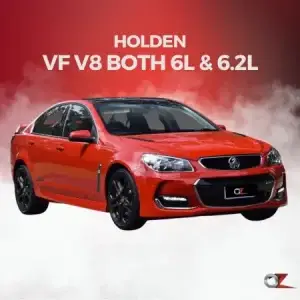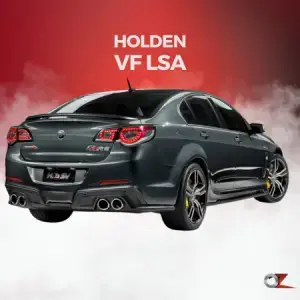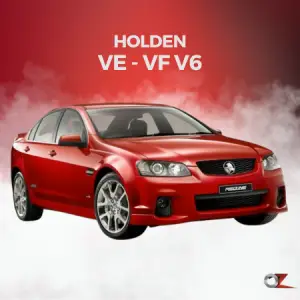
You don’t need to live in the heart of Sydney or right near our Penrith workshop to get a world-class calibration for your Commodore. Many owners across Australia feel stuck between a massive road trip to a reputable dyno or settling for a generic, risky “one-size-fits-all” file. We believe your location shouldn’t dictate your car’s performance.
If you’re worried that holden remote tuning lacks the precision of a physical workshop visit, you aren’t alone. It’s a common concern that remote files won’t account for your specific LS cam upgrade or exhaust setup. With over 10,000 vehicles tuned and our experience on the Mainline ProHub dyno, we’ve refined a process that brings workshop-grade accuracy to your driveway.
In this guide, we’ll show you how to safely unlock more torque, better fuel economy, and that iconic lumpy ghost cam idle from anywhere in the country. You’ll learn about the latest EFILive and HP Tuners hardware and how our tailored data-logging process ensures your VT to VF Series II performs exactly as it should.
Key Takeaways
- Learn how distance is no longer a barrier to workshop-grade performance with custom holden remote tuning available Australia-wide.
- Discover why hardware like the AutoCal V3 is a precision diagnostic tool that captures real-world data to ensure a perfect calibration.
- Understand why remote tuning is a safe and effective alternative to a dyno session for 95% of street-driven Holden V8s.
- Follow our step-by-step guide to unlocking more torque, better fuel economy, and that famous ghost cam idle without leaving your driveway.
- Identify the specific tuning potential and hardware requirements for every V8 model from the VT LS1 through to the VF Series II LS3.
Table of Contents
- What is Holden Remote Tuning and How Does it Solve the Distance Barrier?
- The Technical Core: AutoCal V3 and EFILive for Holden V8s
- Remote Tuning vs. Dyno Tuning: Debunking the High-Performance Myths
- The Oztrack Process: A Step-by-Step Guide to Your Remote Tune
- Optimising Specific Holden Models: From VT to the VF Series II
What is Holden Remote Tuning and How Does it Solve the Distance Barrier?
Remote tuning is a sophisticated data exchange that brings professional workshop expertise directly to your garage. It isn’t just about sending a file and hoping for the best. It’s a precision dialogue between your car’s ECU and our master tuners. If you are located in regional Western Australia, far North Queensland, or the Northern Territory, you shouldn’t be forced to settle for factory performance levels just because you can’t drive to our Penrith workshop. Our remote tuning bridges that gap by using the internet to move data instead of moving the vehicle.
This process is the modern evolution of What is Chip Tuning?; we have moved far beyond the days of swapping physical chips for generic performance. At Oztrack, we have tuned over 10,000 vehicles. We use our Mainline ProHub dyno to develop rock-solid base maps that are then tailored to your specific environment and modifications. Whether you’re dealing with the humidity of Darwin or the dry heat of the Red Centre, our calibrations account for Australian fuel quality and climate conditions. For a comprehensive overview of how this works for V8 owners across the country, our guide to remote tuning Australia services for professional LS calibration covers the full process in detail.
To see how we bridge the gap between our Sydney workshop and your driveway, watch this breakdown:
The End of the “Mail-Order” Myth
Old-school mail-order tunes were often generic files that ignored the unique personality of your engine. Modern remote tuning is different because it’s iterative. We don’t just guess what your car needs. We look at real-world data logs from your actual driving conditions. If you have installed a VCM Performance OTR intake or a full Manta exhaust, your tune needs to reflect those specific airflow changes. We refine the calibration based on how your Holden responds to the initial file, ensuring the fuel trims and spark advance are spot on for your setup.
Hardware Requirements for a Successful Remote Tune
You don’t need a degree in computer science to get this done. The primary tool is the EFILive AutoCal V3 device. This unit acts as the bridge between your Holden and our tuning software. It’s a powerful data logger that captures high-speed information from your engine’s sensors. To complete the process, you’ll also need:
- A Windows-based laptop to transfer files.
- A stable internet connection to email us your logs.
- An EFILive AutoCal V3 kit (which we provide), and for those who like to keep their equipment and cables perfectly organised, DymoOnline offers professional labelling solutions.
We choose EFILive for Holden engine management because it provides the granular control necessary for LS and LSA platforms. It allows us to access the deep tables in the ECU that generic handheld tuners simply can’t touch. This technical depth is what allows us to deliver better drivability and more power without compromising reliability.
The Technical Core: AutoCal V3 and EFILive for Holden V8s
The AutoCal V3 is the backbone of any professional holden remote tuning setup. It serves as a dedicated handheld interface that does far more than read trouble codes. This device allows us to upload high-definition calibrations directly to your Holden’s Engine Control Unit (ECU) and Transmission Control Unit (TCU). It features built-in safety protocols that verify file integrity before any data is written. This prevents the risk of “bricking” a controller with an incompatible or corrupted file.
We choose EFILive because it provides the most comprehensive access to the GM E38 and E67 processors found in late-model Commodores. It gives us granular control over spark advance, fuel delivery, and torque management tables. This level of detail is exactly how we’ve successfully tuned over 10,000 vehicles. The hardware ensures that the custom file we build on our Mainline ProHub dyno in Penrith translates perfectly to your vehicle, regardless of your location in NSW or beyond.
Capturing the Soul of the Machine: Data Logging
Data logging is where the real magic happens. The AutoCal V3 records high-speed data from your Holden’s factory sensors while you drive. We monitor critical parameters like Air-Fuel Ratio (AFR), spark timing, and knock sensor activity. This is not a “set and forget” process; it’s a scientific look at how your specific engine is breathing and burning fuel.
Street logging is a massive advantage because it captures how your car behaves under real-world load and heat-soak conditions. A stationary dyno uses massive fans, but nothing replicates the actual airflow of a highway run or a spirited drive through the Blue Mountains. When you’re out logging on Australian roads, focus on safety first. We look for specific data points, such as a clean pull in a controlled environment, to see how the engine performs under load. This data allows us to refine your tune with absolute precision.
Transmission Tuning: The 6L80e and 6L90e Advantage
For owners of VE and VF Commodores, the gearbox is often the weakest link in the factory driving experience. A standard 6-speed auto can feel indecisive or “lazy” from the factory. We use the AutoCal V3 to recalibrate shift points, reduce shift times, and line pressure. This transforms the car from a soft cruiser into a responsive performance machine.
Remote Tuning vs. Dyno Tuning: Debunking the High-Performance Myths
Many owners believe a dyno session is the only way to get a proper calibration. This is one of the biggest myths in the performance industry. A dyno is an incredible tool for measurement, but it doesn’t always replicate the exact conditions your car faces on the road. For 95% of street-driven commodores , remote tuning is often the superior choice for real-world drivability.
The safety of a remote tune comes from the data logging process. When you’re out on the road, your engine faces genuine wind resistance and varying ambient temperatures. This is especially true for cars fitted with a VCM Performance OTR intake. A stationary dyno fan cannot perfectly mimic the high-pressure airflow hitting that intake at 100km/h. Remote tuning allows us to see exactly how your Holden’s ECU responds to that air pressure in real-time. If you want to understand how V8 owners across the country are achieving dyno-grade results without leaving home, our ultimate guide to remote tuning Australia LS calibration explains the full methodology.
| Feature | Remote Tuning | ProHub Dyno Tuning |
|---|---|---|
| Airflow Simulation | Real-world highway speeds | High-velocity workshop fans |
| Engine Load | Actual vehicle weight and drag | Simulated hydraulic resistance |
| Convenience | Performed at your home/local roads | Requires travel to Penrith workshop |
| Max Power Verification | Estimated via log data | Precise kW and Nm measurement |
When to Choose Remote Tuning
Remote tuning is the most efficient path for the vast majority of Holden enthusiasts. It’s the logical choice if your car has standard bolt-on modifications like OTR intakes, headers, and full exhaust systems. It is also perfect for a mild LS camshaft upgrade package designed for street use. You get 98% of the workshop result without the travel time or the cost of a full day of dyno hire.
When a Dyno is Non-Negotiable
Certain builds require the controlled environment of our Mainline ProHub dyno for safety and precision. You should consider a long trip for a workshop visit if you’re running high-boost forced induction or extreme stroker engines. Our ProHub dyno removes the variables of tyre slip, making it the ultimate tool for competitive track cars where every single kilowatt needs to be verified. For a reliable and fast street car, the remote process is more than sufficient.
The Oztrack Process: A Step-by-Step Guide to Your Remote Tune
We don’t believe in generic “one-size-fits-all” files. Our holden remote tuning process is a collaborative effort between you and our calibration team. It starts with a detailed consultation where we discuss your specific modifications, such as a Manta exhaust or VCM OTR intake, and your goals for drivability and power. We use our experience tuning over 10,000 vehicles to ensure your base file is a solid foundation for the refinement process.
This isn’t a static download. It’s a structured journey that brings the precision of our Penrith workshop to your driveway. We guide you through every stage, ensuring you feel confident using the hardware and understanding the data we collect. By following this methodical approach, we achieve results that rival a physical dyno session while maintaining the highest safety standards for your LS engine.
Step 1: The Base Read and Upload
Connect your AutoCal V3 to the OBDII port located under the dashboard on the driver’s side. Follow the clear on-screen prompts to perform a “base read” of your factory software. This step is vital because it creates a permanent backup of your original Holden calibration. It ensures you can always return the car to stock if needed for future resale or diagnostic work.
Once the read is complete, transfer the file to your laptop and email it directly to our calibration team. We use this original file to identify your specific ECU operating system and hardware configuration. Ensure your battery is fully charged before starting this process, as stable voltage is critical when reading or writing to the ECU.
Step 2: The Data Logging Session
Data logging allows us to “see” exactly how your engine is breathing and burning fuel in your local environment. You’ll drive the car while the AutoCal V3 records every vital sign, from fuel trims to spark advance. We need a mix of conditions to get the full picture of your engine’s health and performance. This includes cold starts, steady highway cruising, and controlled wide-open throttle pulls.
Find a quiet, flat stretch of road where you can safely accelerate through the gears without distractions or traffic. This real-world data is far more valuable than a stationary dyno run because it accounts for the actual airflow and load your Holden faces every day. We analyse these logs to look for any signs of knock or fuel delivery issues before sending your next refined file.
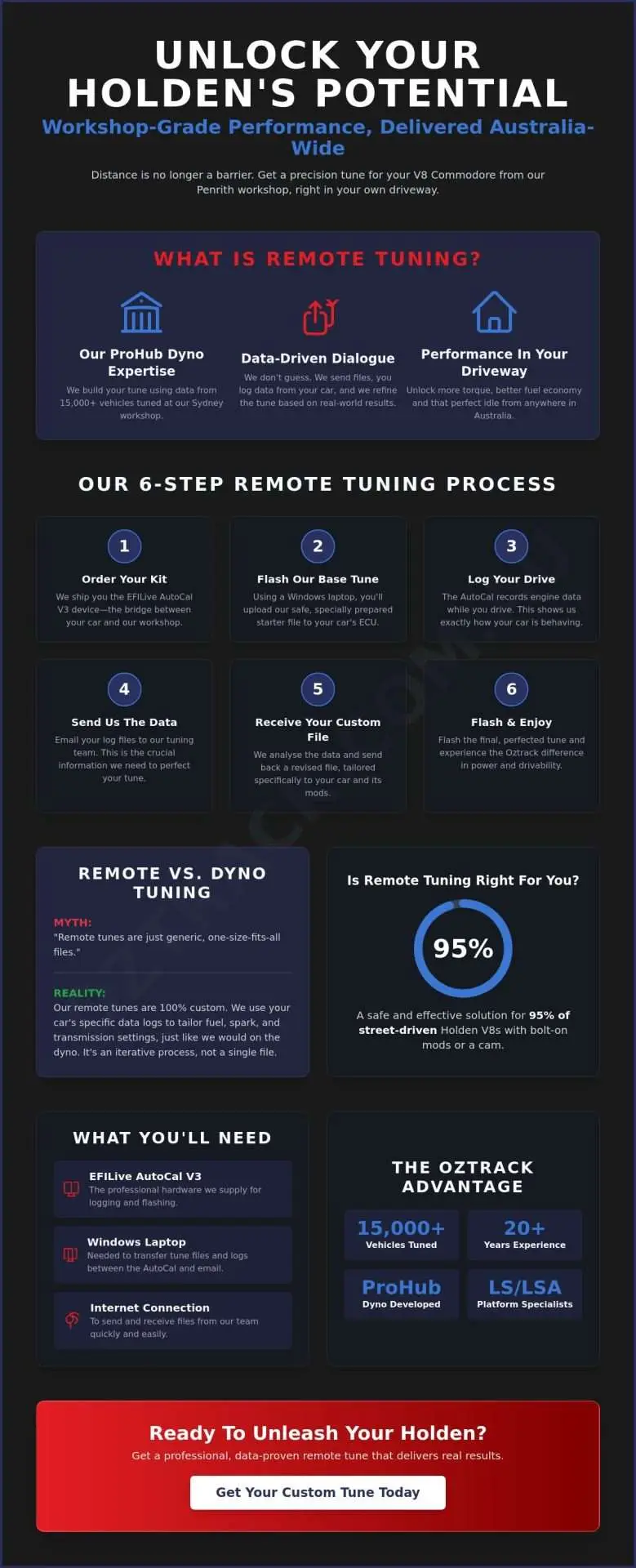
Step 3: Loading the Custom Calibration
After we analyse your logs and refine the mapping, we’ll email your new custom calibration file. Loading the file is straightforward. Simply plug the AutoCal back into your Holden and select the “program” or “flash” option. Don’t be alarmed if your dash lights flicker or warning messages appear during the flash; this is a normal part of the ECU rewrite process as the modules communicate.
Once the flash is finished, cycle the ignition and take it for a spin. You’ll immediately notice the Oztrack difference in throttle response, mid-range torque, and transmission shift quality. We continue this iterative process until we are 100% satisfied that your Holden is performing at its absolute peak. If you’re ready to transform your car’s performance from anywhere in Australia, check out our Remote Tuning Kits to get the process started today.
Optimising Specific Holden Models: From VT to the VF Series II
Every generation of the Holden V8 requires a unique approach to calibration. What works for an early LS1 in a VT Commodore won’t get the best out of a late-model VF Series II. Our holden remote tuning service accounts for these hardware differences. We have spent years on our Mainline ProHub dyno in Penrith identifying exactly where the factory left performance on the table for each specific engine code.
Choosing the right equipment is vital for any high-performance pursuit; for instance, if you are looking to buy tennis racquet melbourne to stay active when you’re not behind the wheel, you understand the value of expert advice and quality gear.
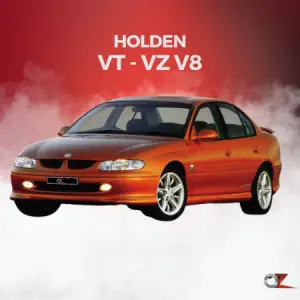
For the LS1 heritage models (VT-VZ), we focus on cleaning up the VE tables and spark maps. These older ECUs are less complex than modern units, but they respond incredibly well to better fuel timing. If you have added a VCM Performance OTR intake, we can significantly sharpen the throttle response. This eliminates the “lazy” feeling often found in high-kilometre LS1s.
One of our most popular requests is the “Ghost Cam” idle. We achieve this aggressive lope through clever manipulation of spark timing and airflow at idle. It gives your Holden that tough, cammed sound without the cost of a physical LS camshaft upgrade. We also address the Active Fuel Management (AFM) found in many automatic VE and VF models. This “dodgy” cylinder deactivation often causes an annoying drone, especially with a performance exhaust. We can disable it entirely to keep your V8 running on all eight cylinders at all times.
The VF Commodore Masterclass
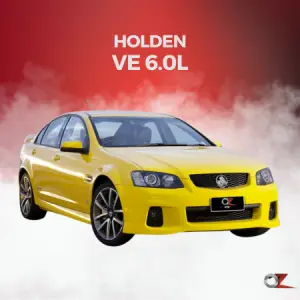
The VF series represents the pinnacle of Holden performance. The L77 engines in the Series I respond massively to remote calibration when paired with a VCM OTR. We focus on removing the aggressive factory “torque management.” This is a digital leash that prevents the car from delivering full power instantly. By recalibrating these tables, the car feels much lighter and more responsive on the street.
The Series II VF with the 6.2L LS3 is a different beast. A manual VF II LS3 on 98 RON fuel with a VCM OTR and headers typically pushes near 300kW at the wheels. Our remote process ensures your LS3 stays within safe knock sensor limits while delivering the punch that a car of this calibre deserves.
HSV and Special Vehicles
Owners of E-Series and F-Series HSV models need a tuner who understands the value of their investment. Whether it is an LS2, LS3, or the supercharged LSA, these vehicles require high-definition fuel maps. We ensure your HSV remains reliable while optimising it for high-flow Manta exhaust systems. This protection is vital for maintaining the longevity of these iconic Australian machines.
Next Steps for Your Build
Remote tuning is often the first step in a larger performance journey. It prepares your ECU for future mechanical changes and ensures your current bolt-ons are working in harmony. You can easily integrate your tune with other performance parts from our shop as your build progresses. If you are ready to unlock the hidden potential in your Holden, you can order our Oztrack Remote Tuning Kits to start the transformation today.
Transform Your Holden’s Performance Today
Your location shouldn’t limit your car’s potential. We’ve shown how high-definition data logging and the AutoCal V3 bridge the gap between our Penrith workshop and your driveway. By choosing holden remote tuning, you gain access to the same precision we apply on our Mainline ProHub dyno without the need for a massive road trip. It is the most efficient way to get workshop-grade results from anywhere in the country.
We bring over 20 years of LS engine calibration expertise to every file we write. This isn’t a generic download; it’s a bespoke service trusted by regional Holden owners across Australia. Whether you want to fix AFM issues, gain that aggressive ghost cam idle, or simply unlock more torque, we have the technical background to make it happen safely. Every calibration is backed by our specialist knowledge of LS and LSA platforms.
Don’t settle for factory restrictions or risky generic tunes. Take control of your build and experience the throttle response and power your Holden was built to deliver. It’s time to stop wondering what your car is capable of and start feeling the difference on the road.
Get Your Holden Remote Tuning Kit and Unleash the Power
We look forward to helping you push the boundaries of what your LS can do.
Frequently Asked Questions
Is remote tuning safe for my Holden’s engine?
Remote tuning is extremely safe when you use a provider with a proven track record. We have tuned over 10,000 vehicles and use high-speed data logs to monitor your engine’s vital signs. Unlike generic mail-order files, holden remote tuning allows us to see exactly how your engine responds to load and heat. We adjust spark and fuel tables based on real-world feedback, ensuring your LS engine stays well within safe operating limits.
Do I need a laptop to use the AutoCal V3 remote tuning kit?
You will definitely need a Windows-based laptop or PC to manage the file transfers. The AutoCal V3 device plugs into your Holden to read and write data, but it requires a computer to move those files to and from our calibration team via email. You don’t need the laptop inside the car while you are driving or logging; however, it’s essential for the bridge between your vehicle and our workshop.
Can I return my Holden to the stock factory tune later?
Yes, you can return to the factory settings at any time. The very first step of our process involves taking a base read of your existing software. This file can be stored on your AutoCal and your computer as a permanent backup. If you ever decide to sell the car or need to return it to stock for any reason, you simply flash a tagged version of that original file back into the ECU.
How much extra horsepower will I get from a remote tune?
Power gains depend on your hardware and fuel type. For a VF II LS3 manual running 98 RON fuel with a VCM OTR and full exhaust, we typically see gains of 20 to 30 kilowatts at the wheels. If you are running a 6L80e automatic, the peak dyno figures might be slightly lower than a manual, but the drivability gains from our transmission recalibration make the car feel significantly faster and more responsive on the street.
Does remote tuning work for Holden V6 models like the Alloytec?
Our remote tuning services are primarily focused on the LS and LSA V8 engine platforms. While some V6 models can be tuned, they don’t offer the same performance potential as the V8 range. We specialise in the VT through to VF Series II V8 Commodores and HSVs. If you have a V6, it’s best to contact us directly to discuss specific ECU compatibility before ordering your kit.
What happens if my internet cuts out while I am uploading a tune?
An internet dropout won’t affect the flashing process or damage your ECU. The internet is only required to send or receive the tune files via email. The actual transfer of data between the AutoCal V3 and your Holden happens via a physical cable connection. As long as your car battery is healthy and the cable remains plugged in during the flash, the process is perfectly safe.
Do I need to install a wideband O2 sensor for remote tuning?
A wideband O2 sensor isn’t necessary for the majority of street-driven Holdens with basic bolt-ons. We use the factory sensors to monitor fuel trims and oxygen levels during your data logging sessions. However, if you are running a high-boost supercharger or an extreme LS camshaft upgrade package, we might recommend a wideband to ensure we have the most accurate air-fuel ratio data across the entire rev range.
How long does the entire remote tuning process take from start to finish?
You can usually expect the holden remote tuning process to take between 7 and 14 days. This timeframe accounts for the shipping of your AutoCal V3 kit and the time needed for you to record and email your data logs. We typically turn around revised tuning files within a few business days; this allows you to progressively refine the performance of your vehicle at your own pace.
Order here https://oztrack.com.au/product/remote-custom-tuning-using-autocal-v3/

Article by
Oztrack
Oztrack Engines and Tuning is a performance workshop based in Penrith, Sydney, NSW, specialising in LS and LSA engine tuning, dyno tuning, camshaft upgrades, supercharger packages, engine builds and remote custom tuning across Australia.
Oztrack has tuned over 15,000 vehicles and uses a Mainline ProHub dyno for accurate testing and calibration. The workshop focuses heavily on Holden Commodores, HSV models and other GM LS platforms, while also tuning Ford, Chrysler and Jeep performance vehicles.
Services include dyno tuning, Harrop supercharger installations, LS engine machining and rebuilding, transmission tuning, fuel system upgrades and remote tuning using AutoCal V3 devices.
Oztrack also supplies base tunes and technical support to workshops across Australia and internationally.