Unlocking the Full Potential of Your LSA Engine
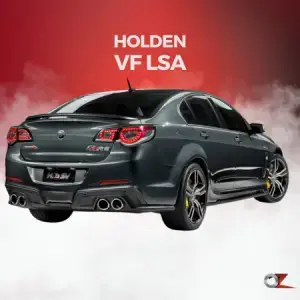
The LSA engine, paired with a 1900 supercharger, is the most potent engine ever featured in a Holden. The latest Gen-F HSV models feature an engine that has become a favourite among enthusiasts. Its remarkable power and smooth performance make it stand out. HSV began using the LSA in the VF GTS, later expanding its application to Series II VF models. This guide is for vehicle owners who want to improve their car’s sound and performance. It aims to exceed the factory power output of about 430 engine kW. Straight out of HSV, these cars are quicker than any other Holden model, but there’s always room for improvement.
Gen-F HSV Dyno Tuning
The standard engine calibration in the E67 ECU offers untapped potential that can be unlocked through custom tuning. Even at a basic level, dyno tuning leads to clear improvements. You can expect more power, better throttle response, and increased torque across the entire rev range. A professional tune can yield up to 20 extra engine kW with no additional modifications. At Oztrack, we regularly dyno-tune LSA engines using our advanced Mainline ProHub, ensuring precision and optimal results.
 GTS-R on the Dyno
High-Flow Cold Air Intake
Installing a high-flow cold air intake is one of the simplest yet most effective upgrades. The factory airbox and intake pipe restrict airflow, limiting the engine’s performance. Replacing these with a more efficient cold air intake lowers induction restrictions. This change allows the supercharger to work more efficiently without increasing its RPM. This upgrade can add about 10 kW to the engine’s power. This makes it a good investment for performance enthusiasts.
Performance Exhaust Upgrade
While functional, the factory exhaust system on the LSA engine is far from optimal. It shares components with the Holden Commodore range, which limits its performance capabilities. Upgrading to a high-performance exhaust system means replacing the factory pipes. This includes installing four-into-one headers with large 1 7/8-inch primary pipes. You will also need high-flow metal catalytic converters. These are paired with a more extensive, high-performance cat-back system with bimodal rear mufflers.
The bimodal system keeps the factory EDI control. This reduces drone noise at cruising speeds. However, it produces a strong exhaust sound when under full load. This setup improves sound quality and adds approximately 30 engine kW. Combining headers, catalytic converters, and a well-designed exhaust system ensures improved airflow and a significant power boost.

Recommended LSA Modifications
For many vehicle owners, a custom tune can make a big difference. Adding a high-flow cold air intake is another good option. Finally, a performance exhaust system can also provide impressive gains. If you want even more power, you can modify your LSA engine performance in other ways.
Boost Increase
Increasing the boost is one of the most cost-effective ways to gain more power. This can be achieved by installing a larger harmonic balancer, which drives the supercharger faster. At Oztrack, we recommend a size that increases boost by approximately three psi. This setup strikes the perfect balance, delivering up to 520 engine kW while maintaining reliability. A larger balancer can provide a 6.5 psi boost for those looking for more power. This can increase output to about 550 engine kW.
Camshaft Upgrade
Upgrading the camshaft is another effective way to enhance performance. At Oztrack, we offer a range of performance camshafts that suit the LSA engine. These cams can provide an additional 20 to 40 rear-wheel kW without increasing boost. They also introduce a slightly choppy or lumpy idle, which many enthusiasts find appealing. A performance camshaft can deliver up to 580 engine kW when combined with increased boost and the stock heads. Beyond this level, aftermarket heads may be required for further gains.
Understanding LSA Supercharger Limitations
While the LSA engine and its supercharger are competent, there are limits to how much they can handle. Pushing the factory supercharger too hard can compromise reliability. We recommend keeping the supercharger’s RPM below 23,000 to avoid excessive wear and overheating. At maximum overdrive, this limit is reached at around 6,900 engine RPM.
Excessive boost generates more heat, negating performance gains, especially during sustained high-performance driving. For these reasons, we advise against extreme supercharger modifications unless additional cooling measures are in place.
Driving a Gen-F HSV with Enhanced Power
Driving a modified Gen-F HSV is an exhilarating experience. Upgrading the LSA engine makes its power delivery smoother. The better throttle response gives a feeling of quickness. With an upgraded exhaust and intake system, the engine produces a deep, refined sound that matches its performance capabilities.
However, increased power comes with considerations. With significant modifications, full-throttle acceleration from a standstill often results in wheel spin. Drivers may need to moderate throttle input until higher speeds are reached. We recommend starting with moderate modifications and gradually increasing power to find a balance that suits your driving style. Jumping straight to a 500 kW package may seem exciting, but it can make the vehicle challenging to manage in real-world conditions.
The LSA Crate Engine and Custom Builds
The LSA engine is not limited to Gen-F HSV models; it’s also a popular choice for custom builds. At Oztrack, we specialize in rebuilding LSA engines, including those with cracked sleeves. Our in-house machining facility lets us sleeve engine blocks. This process improves strength and durability, making them perfect for high-boost applications.
In addition to LSA rebuilds, we supply and install Harrop Superchargers, such as the Harrop 2300 and Harrop 2650. These upgrades take the LSA engine to new heights, offering significant power gains and improved efficiency.
The Harrop H2650i Advantage
The Harrop 2650i is a game-changing upgrade for the LSA engine. This supercharger replaces the factory 1900 unit with a larger 2650 assembly, including an upgraded intercooler core. The result is cooler intake air and increased power output. The Harrop 2650i can deliver an additional 50 rear-wheel kW at the same boost levels as the stock LSA 1900 supercharger. It also allows for more spark advance, improving performance while staying within safe operating limits.
The Harrop 2650i is not just about raw power; it’s also about efficiency and reliability. The cooler air charge reduces heat soak, ensuring consistent performance during extended periods of hard driving. For enthusiasts looking to push their LSA engine to its full potential, the Harrop 2650i is an excellent choice.

Final Thoughts
The LSA engine is a masterpiece of engineering, offering incredible power and refinement straight from the factory. With the right upgrades, it can become even more impressive. There are many ways to improve your Gen-F HSV’s performance. Custom dyno tuning, high-flow intakes, performance exhaust systems, and supercharger upgrades can be used.
At Oztrack, we’re passionate about helping our customers unlock the full potential of their vehicles. Whether you want a small power boost or a full performance upgrade, our team has the skills and tools to help you. Please reach out to us today to learn more about our LSA upgrades. Take the first step toward transforming your driving experience.
Call us for prices of our various packages for the HSV LSA on 02 91193895