How Much Power Does an LS3 Make With a Cam?
A naturally aspirated LS3 with a suitable camshaft, intake, exhaust and custom dyno tune will commonly produce about 300–350 rear-wheel kilowatts.
The quick answer
Most street-driven LS3 Commodores make around 320–350 rwkw after a well-matched cam package, supporting intake and exhaust parts, and custom dyno tuning. Mild combinations may produce closer to 310–330 rwkw, while larger combinations with cylinder head work can move beyond 360 rwkw.
Typical cammed LS3 power figures
These ranges are general rear-wheel figures. Results vary between cars, transmissions, dynos, fuel quality and supporting modifications.
Mild street cam
310–330 rwkwStrong street manners
Suited to owners wanting extra torque and a noticeable exhaust note without making the car difficult to drive in traffic.
Medium street cam
330–360 rwkwCommon LS3 target
A popular range for VE and VF LS3 street cars with a good exhaust, cold-air intake, valve springs and custom calibration.
Large cam and heads
360–380+ rwkwPeak power focus
More likely to need cylinder head work, increased compression, careful valvetrain selection and a drivetrain matched to the cam.
LS3 cam package comparison
| Combination | Typical power | Idle and drivability | Best suited to |
|---|---|---|---|
| Mild cam package | 310–330 rwkw | Moderate idle, easier low-speed driving | Daily-driven automatic or manual cars |
| Medium street package | 330–360 rwkw | Noticeable idle with strong mid-range and top-end power | Fast street cars and weekend use |
| Large cam package | 340–370 rwkw | Rougher idle and reduced low-rpm manners | Owners placing more importance on peak performance |
| Cam, heads and compression | 350–380+ rwkw | Depends heavily on cam choice and tuning | Complete naturally aspirated engine combinations |
What decides the final power figure?
The camshaft is only one part of the combination. Two LS3 engines fitted with different supporting parts can produce very different power, torque and driving characteristics.
- Camshaft duration, lift, overlap and lobe separation
- Manual or automatic transmission
- Torque-converter stall speed
- Header and exhaust design
- Cold-air intake and throttle-body airflow
- Cylinder head airflow and compression ratio
- Valve springs, lifters and valvetrain stability
- Fuel quality and intake-air temperature
- The quality of the ECU calibration
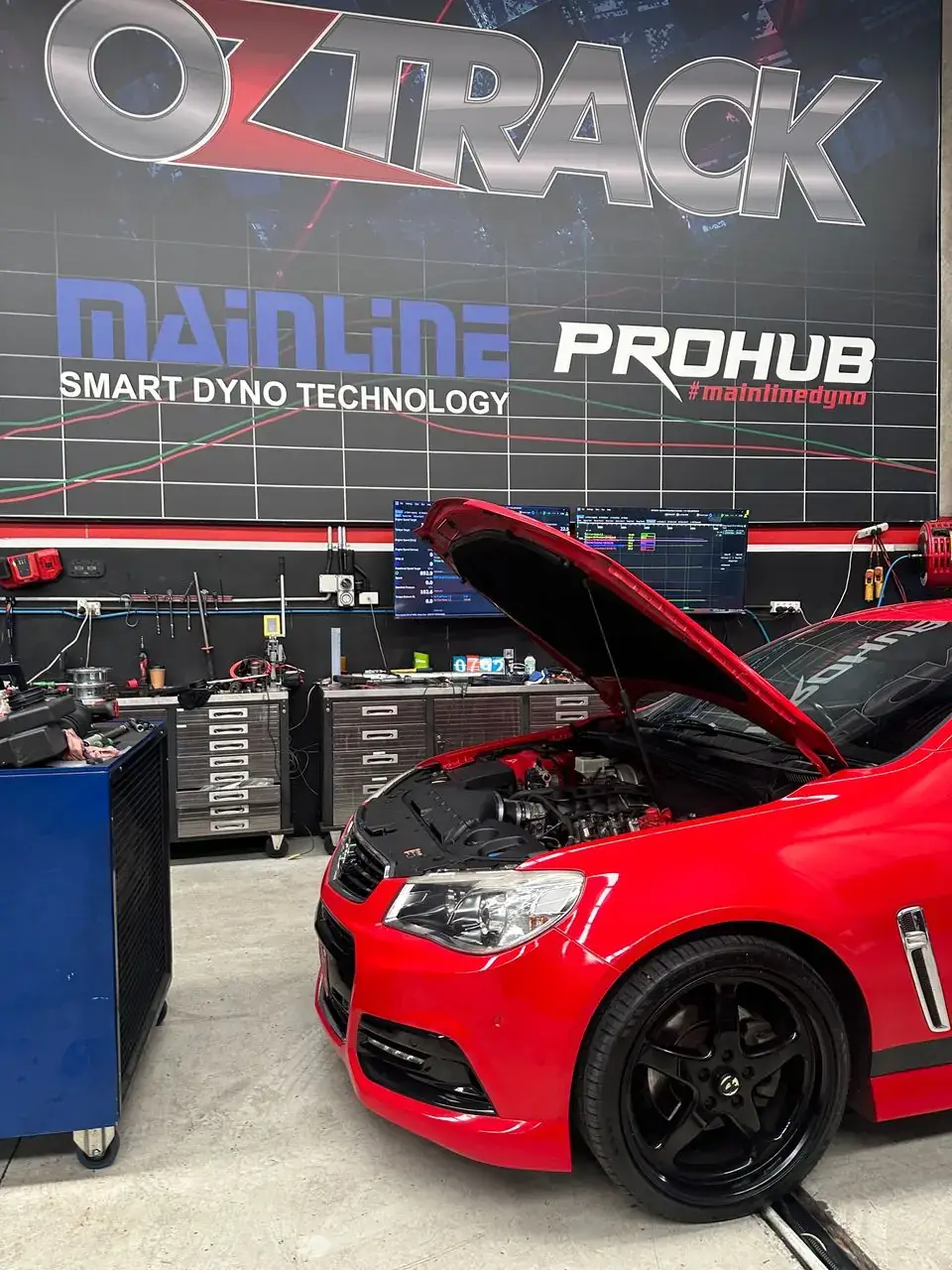
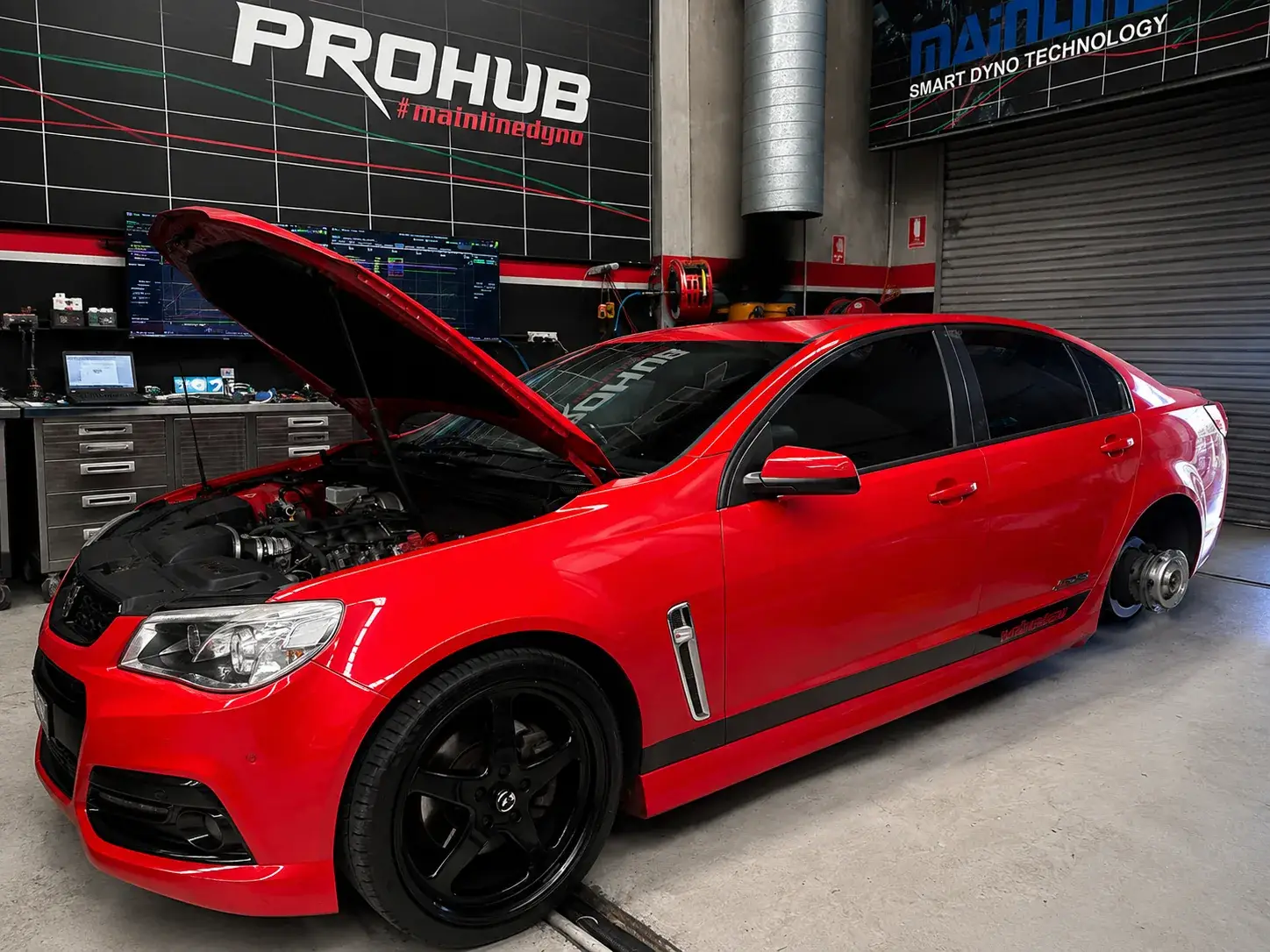
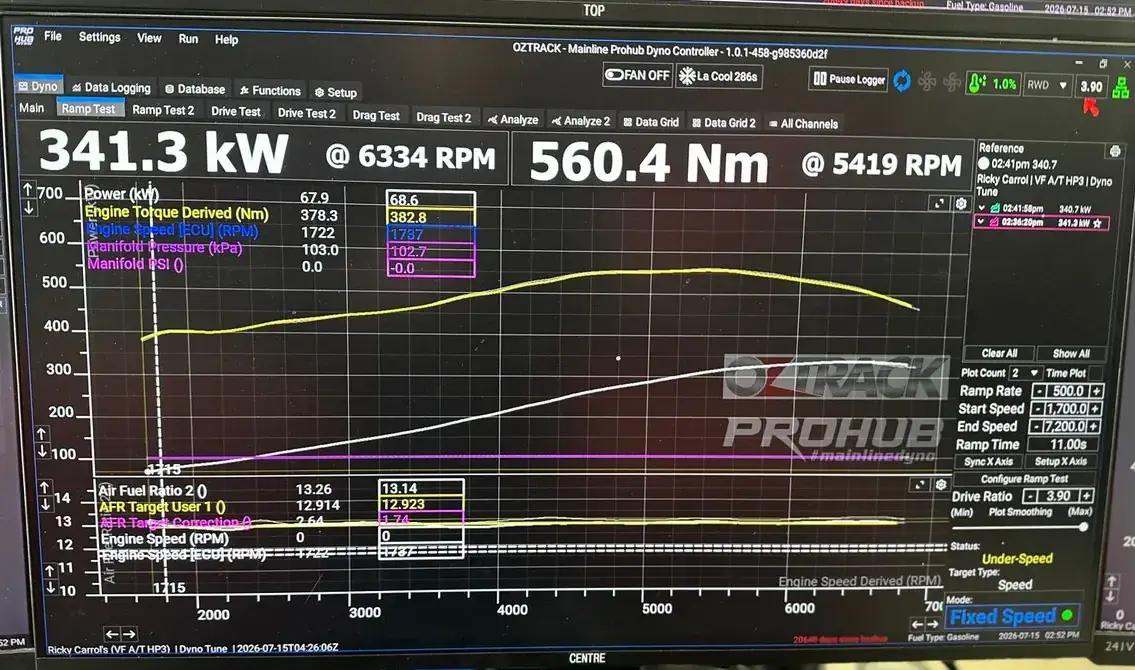
Why do cammed LS3 dyno results vary?
A peak kilowatt number does not tell the full story. The usable torque curve and the way the car drives matter just as much.
Camshaft size
A larger cam may improve high-rpm airflow but can reduce low-speed torque, vacuum and smoothness.
Automatic versus manual
Automatic cars commonly record lower rear-wheel power because the transmission and converter absorb more power.
Exhaust restriction
Header size, catalytic converters, pipe diameter and mufflers all influence how effectively the engine can move air.
Dyno and testing method
Results can vary between hub and roller dynos, ramp rates, correction methods and atmospheric conditions.
Engine condition
Compression, oil control, valve sealing and valvetrain condition can limit the result before tuning begins.
ECU calibration
Fuel, ignition, airflow, idle and torque controls must work together to make the combination safe and pleasant to drive.
What is a good power target for a street LS3?
For many VE and VF Commodores, around 320–350 rwkw is a strong street result.
It can provide a large improvement over the standard engine while retaining useful low-speed torque and reasonable drivability when the camshaft and supporting parts are properly matched.
Chasing the largest possible cam can make the car slower or less enjoyable in normal driving if the converter, diff ratio, exhaust and intended rpm range do not suit it.
A complete package matters
A typical cam upgrade may include the camshaft, valve springs, timing components, lifters or supporting valvetrain parts, gaskets, fluids and custom dyno tuning.
The exact parts required depend on the engine, kilometres, transmission and intended use.
See the Oztrack LS cam upgrade and dyno tuning pageCammed LS3 frequently asked questions
Can an LS3 make 350 rwkw with only a cam?
Some LS3 combinations can reach around 350 rwkw with a larger camshaft and good supporting parts. The result depends on the transmission, intake, exhaust, engine condition, fuel and dyno testing method.
How much power does a stock LS3 make?
Stock rear-wheel power varies between vehicle models, transmissions and dynos. A baseline test on the same dyno is the best way to measure the improvement produced by the cam package.
Does a bigger cam always make more power?
Not in every combination. A larger cam may move the power higher in the rpm range and reduce low-speed torque. The intake, exhaust, compression, cylinder heads and drivetrain must support it.
Does an automatic LS3 need a high-stall converter?
Many medium and large camshafts work better with an upgraded converter. A mild cam may work with the standard converter, but the correct choice depends on cam timing, vehicle weight, diff ratio and driving use.
Is 98-octane fuel suitable for a cammed LS3?
Many naturally aspirated cammed LS3 combinations operate on premium 98-octane fuel when compression, ignition timing and intake temperature are properly managed.
How important is dyno tuning after fitting a cam?
The ECU calibration must account for the changed airflow, idle characteristics and torque output. Custom tuning also allows fuel, ignition, idle and drivability to be checked under load.
Related Oztrack pages
Planning an LS3 cam upgrade?
Oztrack can help match the camshaft, valvetrain and calibration to your engine, gearbox and intended use.