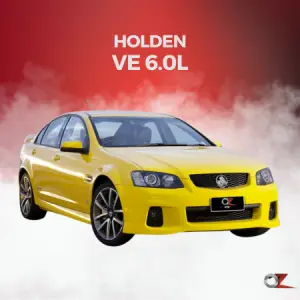
Chasing that aggressive V8 chop shouldn’t mean turning your VT-VZ Commodore into a nightmare to drive through traffic. You want that 300kW+ punch and a mean idle, but you’re likely worried about stalling in hot weather or the hidden costs of supporting mods. Selecting the right ls1 cam package is about more than just picking the biggest duration on the shelf. It’s a precise science of matching hardware to your specific performance goals.
This checklist breaks down every bolt, gasket, and spec you need for a complete setup that balances raw power with genuine reliability. We’ll show you exactly what components are non-negotiable for a street or track build. From valve springs to the final calibration on our Mainline ProHub dyno, we’ll walk you through the setup Steve and Jonathon use to ensure every Commodore leaving our workshop performs as good as it sounds.
Key Takeaways
- Verify your engine’s baseline health by checking oil pressure and inspecting plastic lifter buckets for brittleness before committing to any upgrades.
- Match your ls1 cam package to your specific gearbox and driving goals to ensure you hit that 300kW+ target without sacrificing street manners.
- Select the right valve spring setup for your needs, choosing between dual springs for high-rpm safety or beehive springs for lighter street use.
- Prioritise a Mainline ProHub dyno tune to eliminate tyre slip and achieve 100% accurate fuel mapping for maximum reliability.
- Install a high-stall torque converter is required if you want to fit our biggest cams the GT or GT-X.
Table of Contents
LS1 Cam Package: The Pre-Installation Health Checklist
Before you drop a cent on a new ls1 cam package, you have to be honest about the state of your engine. Most VT-VZ Commodores have clocked up significant kilometres by now. While the LS engine family is famous for its toughness, installing a high-lift cam into a tired bottom end is a recipe for disaster. We’ve seen plenty of owners rush into a build only to have a cam bearing fail not long after. At some point it is better to get an engine rebuild which refreshes the bearings, pistons and rings, plus all gaskets. You can save $2000 if you send or bring the engine alone to us to be done.
Your first priority is verifying oil pressure at full operating temperature. If it’s dropping too low at idle, your bearings or lifters might not handle the increased loads of a performance camshaft. You also need to inspect the harmonic balancer. The factory units are notorious for developing a wobble as the rubber perishes; we always recommend replacing these with a quality Underdrive kit during the install to prevent thrown belts or crank damage.
Budgeting for Supporting Mods
A camshaft doesn’t work in a vacuum. To get the best out of an ls1 cam package, you need to factor in the "breathing" mods. This includes a VCM OTR intake and a high-flowing exhaust system. If you ignore these, you’re just choking the engine.
Essential Components: What Should Be in Your Cam Kit?
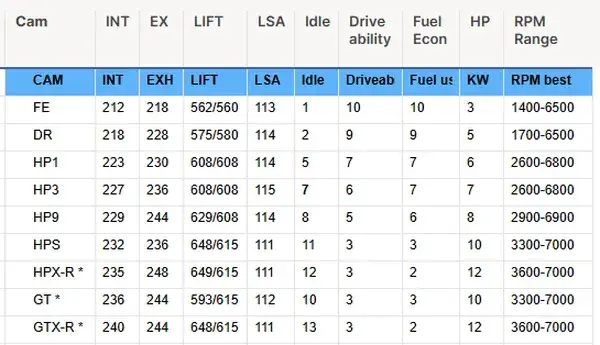
Your choice of camshaft grind must match your gearbox. Manual cars can handle a more aggressive lope without stalling. However, an automatic Commodore requires a grind that won’t fight the brakes at every set of lights in Sydney. We tailor every recommendation to ensure the car remains a pleasure to drive.
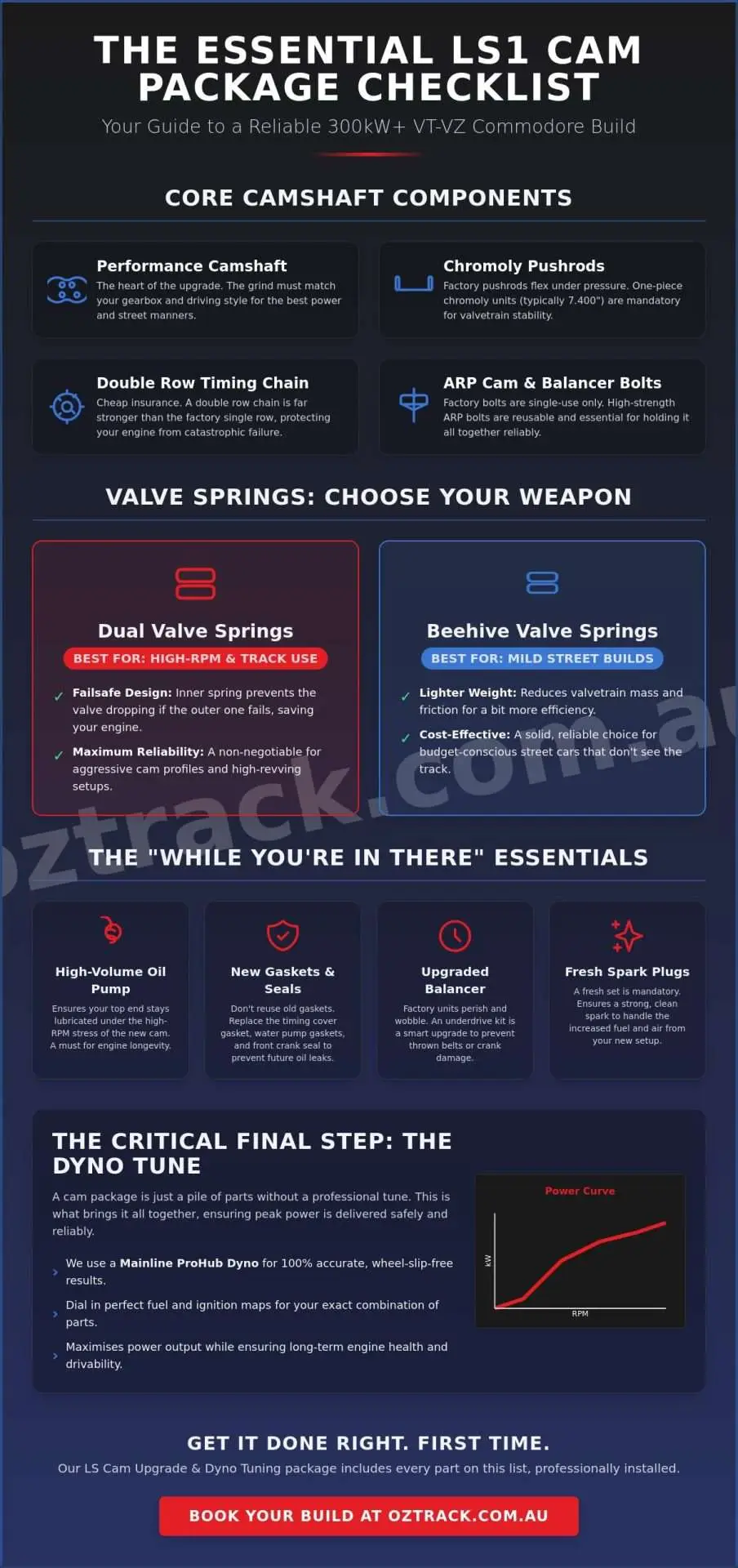
Valve Springs: We often get asked about the difference between single and dual springs. Dual springs provide a critical safety net; if the outer spring fails, the inner spring prevents the valve from dropping into the cylinder and destroying the engine. Single beehive springs are lighter and offer less friction, making them great for mild street builds, but for high-RPM setups, duals are the standard for ls1 cam package reliability.
Chromoly Pushrods: Factory LS1 pushrods flex like wet noodles under the pressure of a performance cam. You need one-piece chromoly pushrods, typically in a 7.425" length, to maintain valvetrain stability and prevent power loss.
Valvetrain Reliability Checklist
Precision is everything. Your kit has to include cam bolts and an a balancer bolt. Factory bolts are "torque-to-yield," meaning they stretch when tightened and cannot be reused safely. We also ensure every build gets a fresh front crank seal and a new timing cover gasket to prevent annoying oil leaks down the track. LS7 lifters and LS7 lifter buckets.
Gaskets and Consumables
Don’t try to reuse old water pump gaskets; you’ll regret it when you see coolant on the driveway. A fresh set of spark plugs is also mandatory to ensure the ignition system can handle the increased fuel and air. If you want the guesswork taken out of the equation, our LS Cam Upgrade & Dyno Tuning package includes every single component needed for a professional result.
If you’re unsure about which grind suits your daily commute, chat with our team for a personalised recommendation.
Maximising the Chop: The Post-Install & Tuning Checklist
Installing the hardware is only half the battle. To truly wake up your VT-VZ, the calibration must be spot on. A generic tune won’t cut it when you’re looking for that perfect balance of idle chop and drivability. To get the fuel maps 100% perfect, we use a Mainline ProHub dyno at our Penrith workshop. It’s the only way to ensure 100% accuracy because it bolts directly to the axles, eliminating tyre slip entirely.
This precision allows Steve and the team at Oztrack Performance Tuning & Engines to map the ignition and fuel delivery across every RPM point. It ensures your ls1 cam package delivers a reliable near 300rwkW while remaining civilised in Sydney’s stop-start traffic.
For enthusiasts living outside of NSW or the Blue Mountains, we haven’t forgotten you. You can still access our world-class calibration using the AutoCal V3 for a remote custom tune. This brings the expertise of a workshop that has tuned over 15,000 vehicles directly to your garage, no matter where you are in Australia.
Ready to unlock the full potential of your LS1? Book your ls1 cam package and dyno tune at our Penrith workshop today.
LS1 Cam Upgrade Frequently Asked Questions
How much power (kW) will a cam add to my LS1?
Most owners see gains between 40kW and 70kW depending on the specific ls1 cam package and supporting mods. A typical VT-VZ with an OTR and full exhaust usually hits 280kW to 320kW at the hubs. These are realistic figures based on thousands of results we’ve seen on our ProHub dyno.
Can Oztrack Performance Tuning & Engines tune my LS1 remotely?
Yes, Oztrack Performance Tuning & Engines provides remote support across Australia using the AutoCal V3. After you finish the mechanical side of your ls1 cam package, we’ll guide you through the data logging process to dial in the fuel and ignition maps perfectly.
How long does it take to install a cam package at the Penrith workshop?
We usually require your car for around five business days at our workshop in Unit 8, 28 Coombes Dr, Penrith. This time allows Jonathon or Daniel to perform a meticulous mechanical install and gives Steve the window needed for cold-start tuning and final dyno calibration. We never rush the process because precision is what ensures long-term reliability.
What is the difference between a ‘street’ cam and a ‘track’ cam?
A street cam is designed for low-down torque and easy drivability in stop-start traffic. A track cam shifts the power higher up the RPM range and usually has a much more aggressive idle. While track cams make more peak kW, they often require shorter diff gears and higher stall converters to stay in their power band.

Article by
Oztrack
Oztrack Engines and Tuning is a performance workshop based in Penrith, Sydney, NSW, specialising in LS and LSA engine tuning, dyno tuning, camshaft upgrades, supercharger packages, engine builds and remote custom tuning across Australia. Oztrack has tuned over 15,000 vehicles and uses a Mainline ProHub dyno for accurate testing and calibration. The workshop focuses heavily on Holden Commodores, HSV models and other GM LS platforms, while also tuning Ford, Chrysler and Jeep performance vehicles. Services include dyno tuning, Harrop supercharger installations, LS engine machining and rebuilding, transmission tuning, fuel system upgrades and remote tuning using AutoCal V3 devices. Oztrack also supplies base tunes and technical support to workshops across Australia and internationally.