What is involved in Engine Reconditioning or an Engine Rebuild?
This article will guide those who want to know. It will provide basic knowledge and advanced techniques for improving engine performance. Oztrack offers LS Engine Reconditioning Info here.
Understanding Engine Parts
Key components include the block, crankshaft, pistons, camshaft, and bearings. Understanding how these components function and interact is fundamental to the engine rebuild. Each part has a specific role and must be precisely engineered to ensure the engine operates efficiently and reliably. Examining these important engine parts, you can better understand how to improve their performance.
Engine Block
The engine block is the foundation of the engine. It houses the cylinders and other integral parts and must be strong enough to withstand high pressures and temperatures. Selecting the right block material is crucial for your engine’s performance. You can choose between cast iron and aluminium. Each material has its benefits and drawbacks. Cast iron is strong and durable, while aluminium is lighter and offers better heat dissipation. Consider your performance goals when making this choice. Cast iron blocks provide durability and heat resistance, making them suitable for high-performance applications. Aluminium, on the other hand, is lighter and can contribute to improved fuel efficiency and handling.
The design and material choice of the engine block can significantly affect the engine’s performance and efficiency. Advanced manufacturing techniques, like CNC machining, enable more precise construction. This ensures that each cylinder and chamber is perfectly aligned. Additionally, modifications to the block, such as reinforcing the cylinder walls or adding cooling passages, can further enhance performance, particularly in high-stress environments. Understanding the engine block’s role is key to the engine rebuild process. It significantly impacts the entire system.
Crankshaft and Main Bearings
The crankshaft changes the straight motion of the pistons into a spinning motion. This is an essential part of how power is made in an engine. Main bearings support the crankshaft, ensuring it rotates smoothly within the engine block. Precision in the alignment and installation of these components is vital to minimize friction and wear. Proper lubrication and choosing the right materials are essential for extending the life of the crankshaft and bearings. This approach helps reduce maintenance needs over time.
Advanced techniques, like micro polishing the crankshaft, can reduce friction and boost power. This process creates a smoother surface for better interaction with the bearings. Bearing materials and configurations can also be optimized for specific applications, such as racing or heavy-duty use, where durability and performance are paramount. Understanding these components’ roles and how to optimize them can lead to significant improvements in engine efficiency and longevity.
Pistons and Oversize Pistons
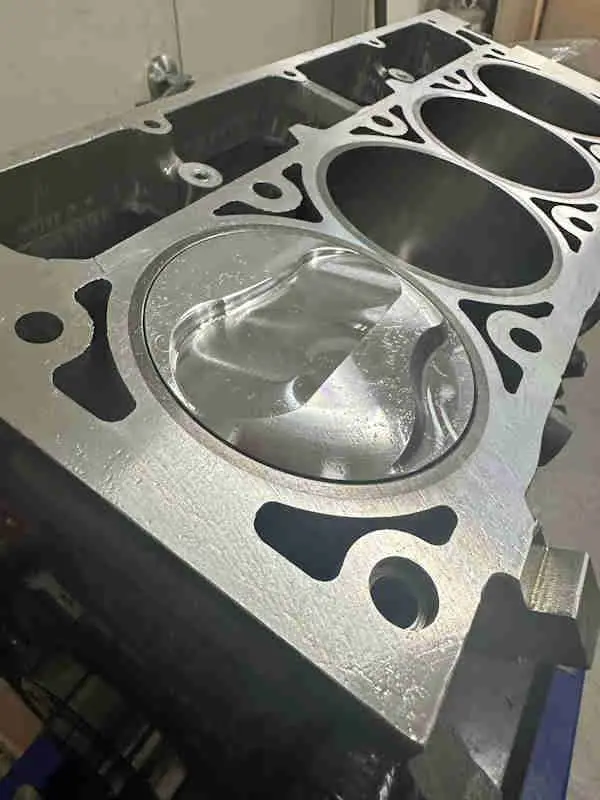
Pistons compress the air-fuel mixture and transfer energy to the crankshaft. Oversize pistons are used in performance engines to increase displacement and power output. Selecting the right piston size and material can significantly impact engine performance. Forged pistons, for example, offer increased strength and resistance to high temperatures, making them ideal for high-performance applications.
The choice of piston material and design can impact other engine performance parts. This includes thermal efficiency and how combustion works. Coatings can be applied to pistons to reduce friction and improve heat resistance, enhancing engine performance. Understanding the role of pistons in the engine’s power cycle is vital for maximizing performance and reliability. Optimizing pistons can lead to better engine efficiency and power output.
Camshaft and Cam Bearings
The camshaft controls the timing of the intake and exhaust valves, playing a critical role in the engine’s breathing process. Cam bearings support the camshaft’s rotation, ensuring smooth operation. Proper camshaft selection and installation are crucial for optimal engine performance and efficiency. When tuning an engine, it is essential to consider factors like cam profile, lift, and duration. These elements should match the engine’s intended use for high-speed racing or everyday driving.
Advanced camshaft technologies, like variable valve timing, can improve engine performance. They optimize how valves operate at different engine speeds and loads. This adaptability improves power output and fuel efficiency across a broader range of operating conditions.
The Engine Rebuild and Repair Process
Restoration and repair are integral to the engine rebuild, especially when dealing with older or damaged engines. Here’s an overview of key restoration techniques that can breathe new life into an engine. These processes need careful attention to detail and a solid understanding of engine mechanics. This ensures that the repaired engine meets or exceeds its original performance standards.
Cylinder Sleeving
Cylinder sleeving involves inserting a new, durable sleeve into the cylinder to restore its surface. This process is essential for repairing damaged cylinders and is common in engine restoration projects. Sleeving can also alter engine displacement, allowing for performance enhancements. Selecting the right sleeve material and ensuring a precise fit is crucial for this technique’s success. It must maintain a perfect seal even under extreme conditions. The CNC machine is used to put a counterbore in and the sleeves fit neatly into it and cannot move.
Cylinder sleeving not only restores function but also enhances engine durability. The sleeves are made of a better grade cast iron or ductile iron than the factory sleeves. It provides a wear-resistant surface that helps protect against future damage. This technique is especially valuable for vintage or rare engines, where replacement parts may not be readily available. Mastering cylinder sleeving can significantly extend an engine’s life, preserving its performance and historical value. We are seeing a consistent increase in LS engine power from engines that have been sleeved.

CNC Boring
CNC boring is a precise machining process used to enlarge cylinder bores. This technique ensures uniformity and accuracy, which is critical for maintaining proper piston clearance and achieving maximum performance. Using computer-controlled equipment, CNC boring can achieve tolerances that are difficult to match with manual methods. This precision is vital for modern performance engines, where even minor discrepancies can affect power output and efficiency.
CNC boring lets you customize the bore size to meet your performance goals. For example, you can increase engine displacement to gain more power. This adaptability makes it a popular choice during an engine rebuild. Understanding and utilizing CNC boring techniques can unlock new possibilities for engine customization and performance enhancement.

Chemical Hotwash
A chemical hotwash is used to clean engine components by removing oil, grease, and other contaminants. This process ensures that all parts are debris-free, which can otherwise lead to premature engine wear. Proper cleaning is crucial for maintaining engine reliability and performance, as contaminants can cause abrasion and interfere with the precision operation of engine components.
In addition to basic cleaning, a chemical hotwash can help find problems like cracks or corrosion. These issues may not be visible to the naked eye. Thoroughly preparing engine parts for assembly contributes to the overall longevity and performance of the engine. Mastering engine cleaning is an important skill for anyone working on engine restoration or engine rebuild projects. This includes those installing engine rebuild kits.
Enhancing Performance Through Engine Tuning
Engine tuning is the art of extracting maximum performance from an engine. It involves adjusting various parameters to improve power, efficiency, and responsiveness.
Stroker Engine
A stroker engine is an engine that has been modified to increase its stroke length, thereby increasing its displacement. This modification can significantly boost torque and horsepower, making it popular among performance enthusiasts. Stroker engines need careful balancing and machining to ensure they are reliable. The longer stroke can add extra stress on engine parts.
Building a stroker engine means choosing the correct crankshaft, rods, and pistons. This selection helps you reach the desired engine size and performance. This is perfect for racing and other high-performance uses.
Linishing the Crankshaft
Linishing is the process of polishing the crankshaft to achieve a smooth surface. This reduces friction and wear, improving engine efficiency and longevity. A polished crankshaft can improve engine performance. It reduces energy losses from friction, allowing more power to reach the wheels.

Sunnen Honing Machine
Honing is the final machining process for cylinder bores, ensuring a perfect finish. The Sunnen honing machine is a modern tool that offers precise honing. This process helps improve the engine’s performance and durability. Honing creates a crosshatched pattern on the cylinder walls. This pattern helps retain oil and promotes even wear. As a result, it enhances both performance and longevity of the engine.
The Sunnen honing machine provides precise sizing and shaping of each cylinder bore. This precision allows for optimal piston movement and sealing. This precision is critical for high-performance engines, where even minor imperfections can affect power and efficiency. Understanding and utilizing advanced honing techniques is vital for anyone serious about engine building and performance enhancement.

Exploring Engine Models: LS Series
The LS series engines, including the LS1, LS2, and LS3, are renowned for their performance potential and versatility. Understanding the differences and similarities between these models is key for anyone interested in engine tuning and modifications. Each model has unique features and capabilities. This makes them popular for many uses, from daily driving to competitive racing.
LS1 Engine
The LS1 engine is the first in the LS series, known for its lightweight design and impressive power output. It is a popular choice for performance enthusiasts due to its adaptability and aftermarket support. The LS1 engine is made of aluminium. This design provides a good mix of strength and lighter weight. As a result, it helps improve how the vehicle handles and saves fuel.
With a robust aftermarket ecosystem, the LS1 engine can be extensively modified to suit various performance goals. The LS1 engine offers many tuning and customization options. You can choose from simple bolt-on modifications to complete rebuilds. This flexibility makes it a great choice for anyone interested in enhancing their vehicle’s performance. Understanding the capabilities and potential of the LS1 is essential for anyone looking to harness its performance benefits.
LS2 Engine
The LS2 engine offers increased displacement and improved power compared to the LS1. It features a more substantial block and enhanced components, making it suitable for high-performance applications. The LS2 has design improvements that increase power output and durability. This makes it a popular choice for those who want to maximize their vehicle’s performance.
The LS2 engine provides better performance, improves efficiency, and reduces emissions. This makes it a more environmentally friendly choice for those who love high performance. Understanding the enhancements and capabilities of the LS2 can help builders and tuners achieve their desired performance outcomes while maintaining reliability and efficiency.
In Australia, there were three versions of the 6L engine: the L98, L76, and L98. All these versions featured the same improved rectangular port cylinder heads as the LS3.
LS3 Engine
The LS3 engine is the most advanced of the three. It has a larger displacement and better features. These include improved cylinder heads and a better camshaft. It is the go-to choice for those seeking maximum performance. The LS3’s upgrades improve airflow and combustion efficiency. This leads to more power and better throttle response.
The LS3 engine has advanced features and strong construction. This makes it an excellent choice for extreme performance upgrades. It is popular among racers and high-performance car enthusiasts. Understanding the LS3 engine is crucial. This knowledge is essential for anyone who wants high performance and reliability in their engine rebuild.
There were, however, issues with core shift in new LS3 engines, which can be rectified with sleeving. This makes an engine rebuild for a damaged, worn LS3 a better option than a new LS3 crate engine.

Final Assembly and Testing
Once all components are prepared and modified, the final assembly of the engine begins. This stage requires meticulous attention to detail to ensure all parts fit together perfectly and function as intended. Precision and accuracy are very important during assembly. Even small misalignments can cause major performance problems or engine failure.
Conrod Bearings and Pushrod V8
Conrod bearings are crucial for smooth piston movement and reduced friction. In a pushrod V8 engine, ensuring these bearings’ proper alignment and installation is paramount for optimal performance. The pushrod design requires precise timing and coordination between components, making attention to detail essential for achieving desired performance outcomes.
Properly installed conrod bearings can improve engine life and reliability. They do this by reducing wear and lowering the chance of mechanical failure. Understanding the details of the pushrod V8 assembly is crucial. It is also important to know how conrod bearings work. This knowledge is essential for anyone who wants to build a high-performance engine with this setup.
Testing and Tuning
After assembly, the engine undergoes rigorous testing to ensure it meets performance standards. This includes dyno testing to measure power output and fine-tuning to adjust parameters for optimal performance. Testing provides valuable insights into the engine’s capabilities and allows adjustments to achieve desired outcomes.
Fine-tuning involves adjusting various engine parameters, such as fuel mixture, ignition timing, and valve timing, to optimize performance. This process needs a strong understanding of engine dynamics. You must balance different factors to get the best results. Mastering testing and tuning techniques is essential for anyone who wants the best engine performance and reliability.
Conclusion
The engine rebuild process combines science and art. It requires a strong understanding of mechanical principles and a passion for improving performance. Whether rebuilding an old engine or building a new one, this article will help you reach your performance goals. With the right tools, components, and expertise, you can transform any engine into a powerful and efficient machine. We offer LS Engine Rebuilding at Oztrack